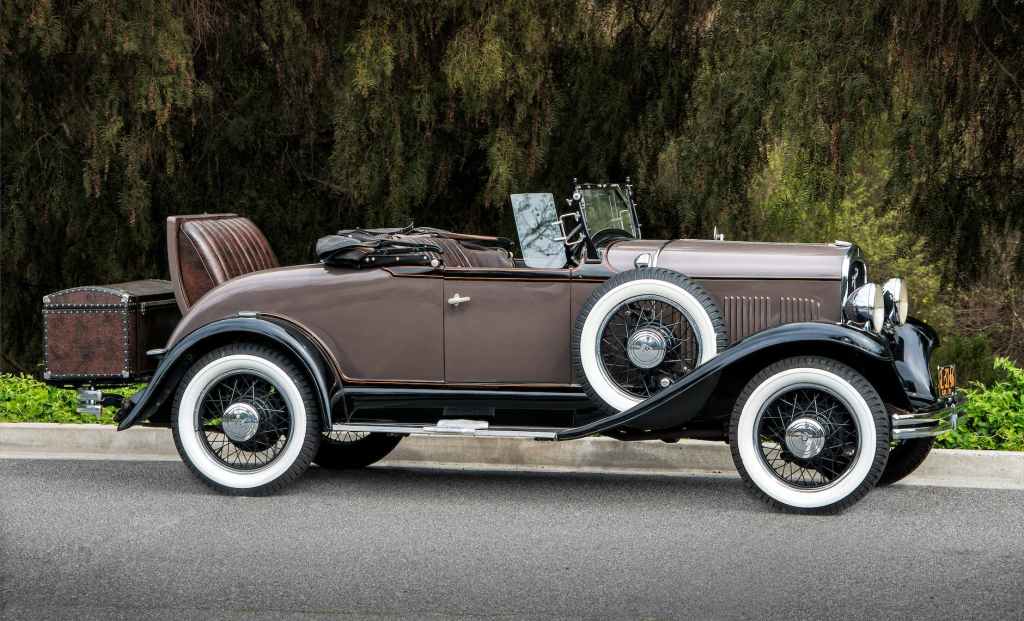
When it comes to cars, there are certain models that stand the test of time and become classics. But what exactly makes a car a classic? Is it its age, its design, or something else entirely? In this article, we will explore what is considered a classic car and why these vehicles hold a special place in the hearts of car enthusiasts.
There is no definitive answer to what is considered a classic car, as the definition can vary depending on who you ask. However, most experts agree that a classic car is typically a vehicle that is at least 20 years old. This age criterion is often used to distinguish classic cars from vintage cars, which are usually between 30 and 49 years old, and antique cars, which are usually 50 years old or more.
Age alone is not the only factor that determines whether a car is considered a classic. Classic cars also have certain characteristics that set them apart from modern cars. These characteristics can include unique and iconic designs, limited production numbers, historical significance, and cultural impact. Classic cars often evoke a sense of nostalgia and represent a specific era in automotive history.
Design plays a significant role in determining whether a car is considered a classic. Classic cars are known for their timeless and elegant designs that have stood the test of time. These vehicles often feature flowing curves, chrome accents, and iconic details that make them instantly recognizable. Classic cars are often seen as works of art, showcasing the creativity and craftsmanship of the era in which they were built.
Limited production numbers also contribute to a car’s classic status. Many classic cars were produced in small quantities, which makes them rare and highly sought after by collectors. These limited production numbers often make classic cars more valuable and desirable.
Historical significance is another important factor in determining whether a car is considered a classic. Some classic cars have played a significant role in history, whether it be through their association with a famous person, their involvement in a historic event, or their impact on the automotive industry. These cars become more than just vehicles; they become symbols of a bygone era.
Cultural impact is also considered when determining whether a car is a classic. Some cars become cultural icons, representing a certain lifestyle or era. These cars often have a strong following and are celebrated at car shows, museums, and enthusiast gatherings.
In conclusion, a classic car is typically a vehicle that is at least 20 years old and possesses unique design, limited production numbers, historical significance, and cultural impact. These cars hold a special place in the hearts of car enthusiasts, as they represent a bygone era and showcase the creativity and craftsmanship of the past. Whether you are a car enthusiast or simply appreciate the beauty of these timeless vehicles, classic cars are a testament to the enduring allure of the automotive industry.

 MY CLASSIC CAR